Currently Empty: $0.00
How to Study ACCA Effectively: Create Your ACCA Study Plan & Manage Your Study Time

Learning how to study ACCA effectively can feel overwhelming, especially when you hear that ACCA exams record an average pass rate of 40 to 50 percent.
They are recognised as some of the toughest professional papers globally, and many students begin their journey with a sense of pressure.
Most students don’t struggle because the content is beyond their ability. The real challenge usually lies in planning study time and keeping a consistent pace. Once those areas are supported, progress becomes a lot more achievable.
You don’t need long study hours to pass. A simple, structured approach with ACCA study techniques creates steady momentum, and even short daily sessions can build strong understanding over time. You’ll soon notice that showing up consistently matters far more than studying for long stretches.
Your ACCA Study Plan: A Simple Way to Stay on Track

A solid study plan gives your revision a sense of direction and makes the workload feel much lighter. Understanding how much time you need and how the syllabus is organised helps you approach your preparation with confidence rather than stress.
How Much Time You Should Set Aside
Many students dedicate two to three months to prepare for a single paper, which provides enough time to learn the material and revise properly.
Those who start earlier enjoy more breathing room, while those with less time can still succeed by following a focused routine. Having a shorter timeline simply requires a sharper, more consistent pace.
Breaking Down the ACCA Syllabus
Each paper is built around several sub-sections, typically fifteen to twenty in total.
Some are slightly longer, so after breaking them down into smaller study parts, you will likely end up with around seventeen to twenty-two sections.
The goal is to understand the core ideas in each sub-section and recognise how they appear in exam-style questions, which require practice over and over again.
A common challenge is not knowing the length or number of sub-sections within a paper. Without that clarity, planning becomes guesswork.
Students often end up spending too much time on one topic and rushing through others, which affects their confidence later.
A Practical Daily Routine
Many students benefit from covering one sub-section a day. It creates steady progress without feeling overwhelming.
As the exam approaches or if your timeline is tight, increasing the number of sub-sections each day helps you catch up while still maintaining structure.
Balancing work and ACCA studies can be challenging, but it’s possible. Discover practical tips on how to study ACCA while working full-time and succeed.
How charterED Helps You Study More Efficiently

charterED removes this uncertainty by showing the duration of each sub-section as you study ACCA online courses in preparation for the exams.
Most of them take less than an hour to complete, making daily planning simple and predictable. Setting aside forty-five minutes to an hour each day is enough to move through the syllabus at a comfortable pace.
This rhythm builds strong momentum, and it is the same approach that helped me earn a prizewinner certificate.
Learn more about charterED’s approach by exploring our ACCA AA course and finance for non-finance professionals.
How to Maximise Every Minute of Your ACCA Study Time
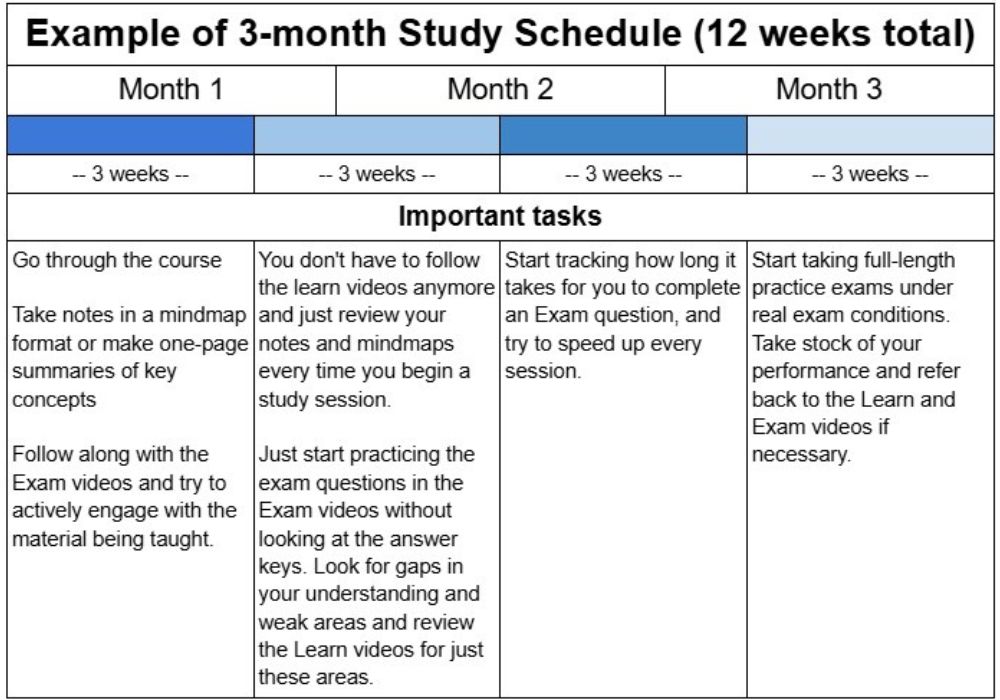
To make the most of your daily ACCA study hours, it’s essential to have a focused and structured approach.
1. Focus on Key Principles and Exam Practice
During those 45 minutes to 1 hour, your study session should be centred around two key activities:
-
Review the Sub-Section
Start by going through the key principles of the sub-section, focusing on the material covered in the Learn videos. These videos are designed to give you a deep understanding of the core concepts that are essential for the exam.
-
Practice with Exam Questions
After reviewing the main principles, move on to past-year exam questions through the Exam videos. This will help you see how the material is applied in exam-style questions, giving you a clear sense of what to expect.
2. Make Notes and Create Mind Maps
One of the most effective ways to retain information is by creating a summary or mind map in your notes. This serves as a quick reference, allowing you to revisit the sub-section more efficiently in the future.
Organising the key principles visually also helps reinforce your understanding and makes it easier to recall during exams.
3. Second Review: Test Your Knowledge
On your second review, rather than re-watching the Exam videos, challenge yourself by attempting the exam questions on your own first. This will help you test your understanding and pinpoint areas where you might need further clarification.
If you struggle with a question, then refer back to the Exam video for guidance, ensuring you fully grasp the concept before moving forward.
4. Third Block: Mastering Exam Questions
By the time you reach the third three-week block of your study plan, you should be confident enough to tackle even more exam questions during your study sessions.
By then, you’ll rely less on the Exam videos and more on your notes and memory.
This progression will solidify your understanding, preparing you for success in the actual exam.
Explore the benefits of studying ACCA online and discover how it can offer flexibility and convenience in your study journey.
3 Ways to Stay Motivated and Keep Momentum While Studying for ACCA Qualification

Staying motivated throughout your ACCA journey is key to long-term success. It’s normal to feel overwhelmed, but building a study routine that rewards progress can help keep your momentum high.
1. Set Rewards to Stay Motivated
A great way to maintain focus is by rewarding yourself after each milestone.
For example, when I was studying, I treated myself to a chocolate bar or a few minutes of TV every time I nailed a practice question.
It’s important to choose a reward that excites you and encourages you to keep going. Even small rewards can help reinforce positive study habits.
2. Study with Fellow Students for Accountability
This strategy becomes even more effective when you’re surrounded by others. Studying in a group of like-minded peers allows you to quiz each other and discuss tricky concepts.
It deepens your understanding and creates a sense of accountability, making it easier to stay on track and motivated.
3. Practice Under Simulate Exam Conditions
To improve your efficiency, try timing yourself while answering practice questions. This increases your speed and helps you get used to the time pressure of the real exam.
Regularly using past papers and mock exams helps build confidence and familiarises you with the exam format.
Seeking feedback on your performance allows you to identify areas for improvement, and consistent practice ensures you’re fully prepared for exam day.
Studying for your ACCA exams becomes a manageable and rewarding journey with a structured approach, motivation, and focus. Maximizing your study time, testing your knowledge regularly, and breaking down your goals into manageable steps will lead to significant progress. Consistency is key to success.
Start your ACCA journey today by signing up for charterED’s courses. For more information or personalised guidance, contact charterED.
Start Your Path to ACCA Success: Sign Up for Online Courses Today
Studying for your ACCA exams becomes a manageable and rewarding journey with a structured approach, motivation, and focus.
Maximising your study time, testing your knowledge regularly, and breaking down your goals into manageable steps will lead to significant progress. Consistency is key to success.
Start your ACCA journey today by signing up for courses through charterED ACCA tuition provider. Contact charterED for more information or personalised guidance.